Pregnancy brings many important decisions, and understanding your delivery options can help you feel more prepared for childbirth. If your doctor has recommended a cesarean delivery or you want to learn about the procedure, understanding C-Section surgery in Sector 39 Gurugram can help you make informed decisions about your maternity care. Knowing what happens before, during, and after surgery can also ease uncertainty and help you prepare for recovery.
For fast information, directly chat with us on WhatsApp.
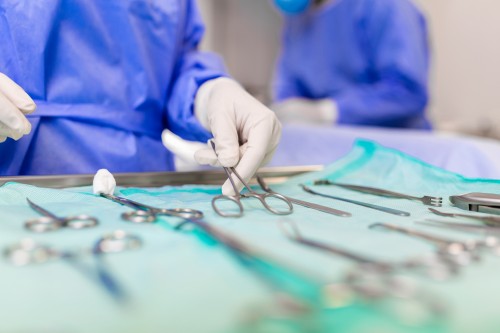
C-section surgery is a procedure in which a baby is delivered through surgical incisions in the mother’s abdomen and uterus. Before surgery, the medical team reviews the pregnancy and explains the procedure. During delivery, anesthesia helps control pain. Afterward, monitoring, wound care, gradual movement, and follow-up appointments support recovery.
What Is C-Section Surgery and When Is It Needed?
A cesarean section, commonly called a C-section, is a surgical method of delivering a baby through incisions in the abdomen and uterus. Doctors may recommend it when vaginal delivery could pose additional risks to the mother or baby.
A C-section may be planned in advance or performed as an emergency during labour. The decision depends on the mother’s health, the baby’s condition, pregnancy history, and how labour progresses.
Common Reasons for a Cesarean Delivery
Your obstetrician may recommend a C-section for reasons such as:
- The baby is in a breech or another position that makes vaginal delivery unsuitable.
- The placenta covers the cervix, a condition known as placenta previa.
- Labour is not progressing as expected.
- The baby shows signs of distress during labour.
- Certain previous uterine surgeries or C-sections affect delivery planning.
- Specific maternal health conditions make a cesarean delivery the safer option.
A C-section is not automatically necessary because one risk factor is present. Your doctor will assess your individual circumstances and discuss the benefits, risks, and available alternatives.
How to Prepare for C-Section Surgery in Sector 39 Gurugram
Preparation helps you understand the procedure and plan for the first few days after delivery. If you are considering C-Section surgery in Sector 39 Gurugram, discuss your birth plan with a qualified obstetrician well before your expected delivery date, whenever possible.
Attend Your Preoperative Consultation
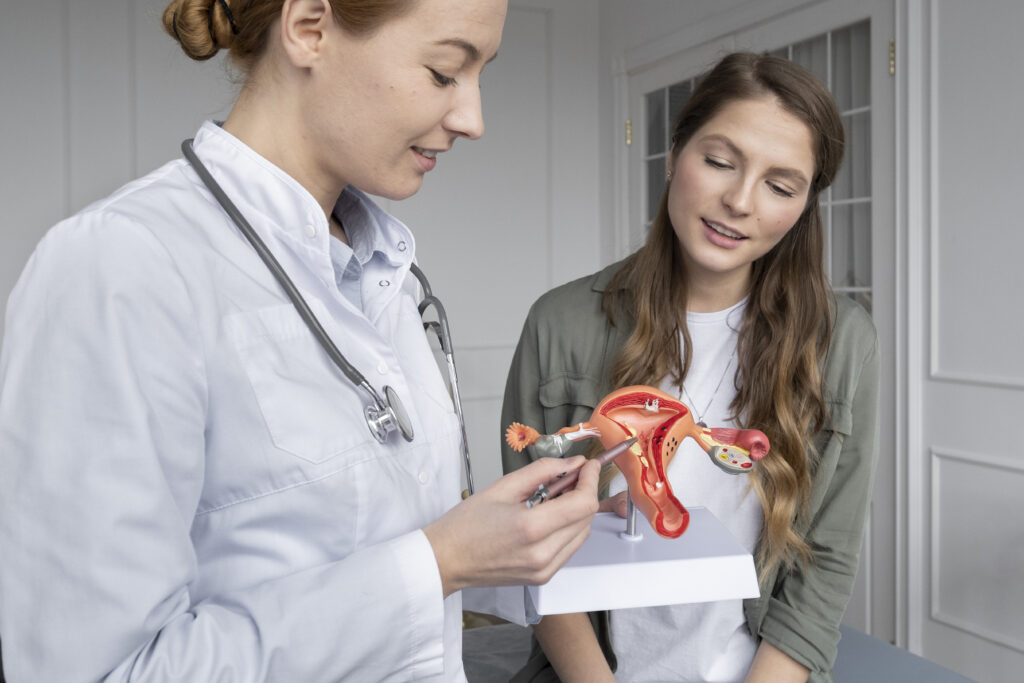
Your doctor may review your medical history, previous deliveries, medications, allergies, blood test results, and current pregnancy. This appointment is also an opportunity to discuss anesthesia, pain relief, breastfeeding, and any concerns about surgery.
Ask your healthcare team when to stop eating and drinking before the procedure. Follow their instructions carefully, and do not stop prescribed medicines unless your clinician advises you to do so.
Prepare for Your Hospital Stay
Pack comfortable clothing, maternity essentials, personal hygiene products, identification, and any required medical documents. Arrange for a trusted family member or support person to help you after discharge.
You can also prepare your home by keeping frequently used items within easy reach. Since bending and lifting may be uncomfortable initially, organizing your space beforehand can make recovery more manageable.
What Happens During a C-Section Procedure?
Knowing the main stages of surgery can reduce uncertainty. Your medical team will explain the steps and answer questions before proceeding whenever the situation allows.
Before the Operation
The healthcare team checks your vital signs and prepares you for surgery. A urinary catheter may be inserted, and an intravenous line is usually placed to provide fluids and medication.
Most planned C-sections use spinal or epidural anesthesia, which numbs the lower part of the body while allowing the mother to remain awake. General anesthesia may be needed in certain circumstances. Your anesthesiologist will explain the most appropriate option.
During Delivery
Once the anesthesia is working, the surgeon makes an incision in the abdomen and uterus to deliver the baby. You may notice pressure or pulling sensations, but you should not feel sharp pain. Tell the anesthesiologist immediately if you experience pain or significant discomfort.
After the baby is delivered, the team assesses the baby’s condition. Depending on the mother’s and baby’s health, early skin-to-skin contact and breastfeeding may be possible. The surgeon then completes the procedure by closing the incisions.
The operation often takes around 40–60 minutes, although the duration varies according to the circumstances.
Recovery After C-Section Surgery
Recovery takes time because a C-section involves abdominal surgery. Many women remain in hospital for a few days, depending on their condition, the baby’s health, and the hospital’s discharge criteria.
Manage Pain and Start Moving Gradually
Your healthcare team will recommend suitable pain relief and explain how to take prescribed medicines safely. Gentle movement, such as short walks when your medical team says it is appropriate, can support recovery and help reduce the risk of blood clots.
Avoid strenuous exercise, heavy lifting, and activities that cause pain until your clinician advises that they are safe. Follow your discharge instructions rather than comparing your recovery with someone else’s experience.
Care for Your Surgical Wound
Keep the incision clean and follow the wound-care instructions provided by your healthcare team. Wear comfortable clothing that does not rub against the incision, and ask before applying creams, powders, or other products to the area.
Seek prompt medical advice if you notice increasing redness, swelling, pus, worsening pain, or the wound opening.
Support Breastfeeding and Emotional Well-Being
Finding a comfortable breastfeeding position, such as lying on your side or using a pillow to protect the incision, may help during the early days. Ask a nurse, midwife, or lactation professional for support if feeding is difficult.
It is also normal to need emotional support while adjusting to childbirth and recovery. Contact your healthcare provider if persistent sadness, anxiety, or overwhelming feelings interfere with daily life.
Warning Signs You Should Not Ignore
Although some discomfort is expected after surgery, certain symptoms require urgent medical attention.
Contact your healthcare provider promptly for fever, worsening abdominal pain, foul-smelling vaginal discharge, or changes around the incision. Seek emergency care for heavy vaginal bleeding, chest pain, difficulty breathing, fainting, or one-sided leg swelling or pain.
Do not wait for a routine follow-up appointment if symptoms are severe or rapidly worsening.
Choosing Maternity Care in Sector 39 Gurugram
When evaluating a gynecologist or maternity facility, consider the clinician’s qualifications, experience with cesarean deliveries, communication style, and ability to explain treatment options clearly.
It is also important to ask about anesthesia support, emergency obstetric services, newborn assessment, infection prevention, and postoperative follow-up. Confirm which services are available at the facility and where you would be referred if specialized care were needed.
Choose a healthcare professional who listens to your concerns and explains why a particular delivery plan may be appropriate for you.
Five SEO-Friendly FAQs
1. How long does it take to recover after C-section surgery?
Initial recovery usually takes several weeks, and many women need around six weeks or longer to resume their usual activities comfortably. Recovery varies depending on overall health, complications, and the type of support available at home. Follow your doctor’s advice about exercise, lifting, driving, and returning to work.
2. Is C-section surgery painful?
Anesthesia is used to prevent pain during the operation, although some pressure or pulling sensations may occur. After surgery, soreness around the incision and abdominal discomfort are common. Your healthcare team can recommend appropriate pain relief, including options compatible with breastfeeding when suitable.
3. When is a planned C-section usually scheduled?
When there is no medical reason for an earlier delivery, a planned C-section is generally scheduled at around 39 weeks of pregnancy. Earlier delivery may be necessary for certain maternal or fetal conditions. Your obstetrician will recommend timing based on your pregnancy, medical history, and the risks of waiting.
4. What warning signs should I watch for after a cesarean delivery?
Seek medical advice for fever, worsening abdominal pain, increasing redness or discharge from the incision, or foul-smelling vaginal discharge. Heavy bleeding, difficulty breathing, chest pain, fainting, or one-sided leg swelling require urgent assessment. Prompt medical attention can help identify complications and ensure appropriate treatment.
5. How do I choose a doctor for C-section surgery in Sector 39 Gurugram?
Look for a qualified obstetrician who explains your delivery options, discusses the risks and benefits, and answers questions clearly. Ask about the facility’s emergency capabilities, anesthesia support, newborn care, and postoperative follow-up. Confirm the services available at your chosen facility and whether additional specialist support can be arranged if needed.
Conclusion
Understanding the process can help expectant mothers feel more prepared for C-section surgery, from preoperative consultations and delivery planning to wound care and postpartum recovery. If you are considering C-Section surgery in Sector 39 Gurugram, discuss your medical history, delivery options, potential risks, and recovery needs with Dr. Himani Kundoo. Every pregnancy is different, so the safest delivery plan depends on the health of both mother and baby. Before choosing a maternity facility, ask about emergency support, anesthesia services, newborn care, and follow-up appointments. Scheduling a prenatal consultation can help you get clear answers, address concerns, and prepare for your baby’s arrival with greater confidence.