Many couples are surprised to learn that fertility is influenced by much more than age and genetics. Daily habits, diet, stress levels, sleep patterns, weight management, smoking, alcohol consumption, and physical activity all play a significant role in reproductive health.
Research consistently shows that lifestyle factors can affect both male and female fertility. While some fertility challenges are linked to medical conditions, others may be improved through targeted lifestyle changes and appropriate medical support.
If you are struggling to conceive, seeking the Best Infertility Treatment in Gurgaon can help identify the factors affecting fertility and create a personalized plan to improve your chances of pregnancy.
For fast information, directly chat with us on WhatsApp.
Quick Answer: Can Lifestyle Affect Fertility?
Yes. Lifestyle factors can directly impact:
- Ovulation in women
- Sperm production in men
- Hormonal balance
- Egg quality
- Sperm quality
- Implantation success
- Pregnancy outcomes
Many fertility specialists consider lifestyle assessment an important part of infertility evaluation and treatment.
Understanding Fertility and Lifestyle
Fertility depends on a complex interaction between hormones, reproductive organs, overall health, and environmental factors.
Even when medical conditions are present, unhealthy lifestyle habits may worsen fertility problems.
The Best Infertility Treatment in Gurgaon focuses not only on medical interventions but also on improving factors that support reproductive health naturally.
Common Lifestyle Factors That Affect Fertility
1. Excess Weight and Obesity
Being overweight can disrupt hormonal balance and ovulation.
In women, obesity may contribute to:
- Irregular menstrual cycles
- PCOS
- Reduced egg quality
- Increased miscarriage risk
In men, obesity may lead to:
- Lower testosterone levels
- Poor sperm quality
- Reduced sperm count
Even modest weight loss can significantly improve fertility outcomes.
2. Poor Nutrition
A nutrient-deficient diet can affect reproductive function.
Important fertility-supporting nutrients include:
- Folate
- Iron
- Vitamin D
- Zinc
- Omega-3 fatty acids
- Antioxidants
Many patients seeking the Best Infertility Treatment in Gurgaon are advised to follow a fertility-friendly nutritional plan as part of their treatment.
3. Chronic Stress
Stress does not directly cause infertility, but it can negatively affect reproductive hormones.
Chronic stress may contribute to:
- Irregular ovulation
- Reduced libido
- Sleep disturbances
- Emotional strain during fertility treatment
Stress management is often included in comprehensive fertility care.
4. Smoking
Smoking has a well-documented impact on fertility.
It may:
- Reduce egg quality
- Accelerate ovarian aging
- Increase miscarriage risk
- Decrease sperm count
- Affect sperm DNA integrity
Stopping smoking is one of the most effective fertility-improving lifestyle changes.
5. Alcohol Consumption
Excessive alcohol intake may affect:
- Hormone production
- Ovulation
- Sperm quality
- Pregnancy success rates
Reducing alcohol consumption is generally recommended during fertility treatment.
6. Poor Sleep Patterns
Sleep regulates several hormones involved in reproduction.
Insufficient sleep can impact:
- Ovulation
- Testosterone production
- Metabolic health
- Stress hormone levels
Maintaining a consistent sleep schedule supports fertility optimization.
7. Physical Inactivity
Regular exercise improves:
- Hormonal regulation
- Insulin sensitivity
- Weight management
- Cardiovascular health
However, excessive exercise may also negatively affect fertility in some women.
Balance is important.
Common Medical Conditions Influenced by Lifestyle
Several reproductive disorders may worsen because of lifestyle-related factors.
Polycystic Ovary Syndrome (PCOS)
Women with PCOS often experience:
- Irregular periods
- Hormonal imbalance
- Difficulty ovulating
Lifestyle modifications frequently form the foundation of PCOS management.
Endometriosis
Although lifestyle changes cannot cure endometriosis, healthy habits may help reduce inflammation and improve overall reproductive health.
Male Factor Infertility
Male infertility can be influenced by:
- Smoking
- Obesity
- Poor nutrition
- Environmental toxins
- Alcohol use
Improving these factors may enhance sperm quality.
How the Best Infertility Treatment in Gurgaon Addresses Lifestyle Factors
A comprehensive fertility approach evaluates both medical and lifestyle-related contributors.
Step 1: Detailed Fertility Assessment
The process often includes:
- Medical history review
- Menstrual cycle evaluation
- Hormonal testing
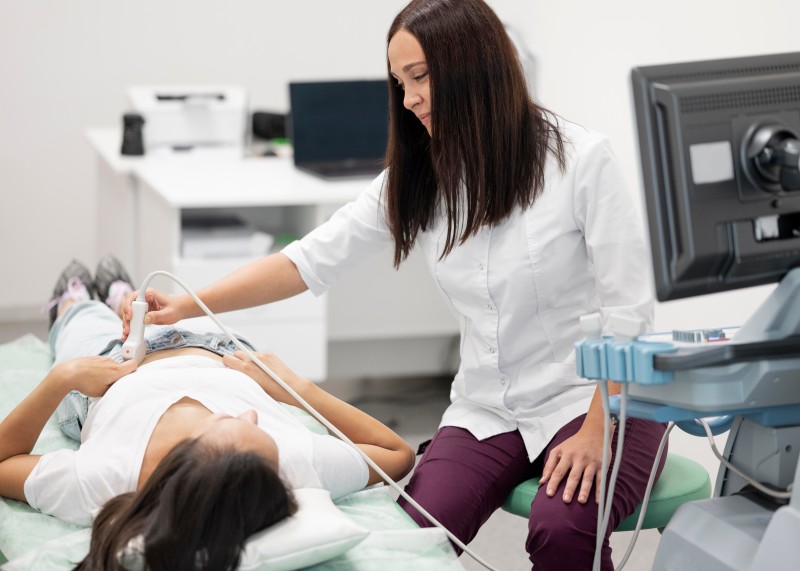
- Ultrasound examination
- Semen analysis
- Lifestyle assessment
This helps identify modifiable risk factors.
Step 2: Personalized Treatment Planning
Every couple’s fertility journey is unique.
Treatment plans may include:
- Lifestyle counseling
- Nutritional guidance
- Weight management support
- Fertility medications
- Ovulation induction
- IUI
- IVF
- Advanced reproductive techniques
Step 3: Ongoing Monitoring
Regular monitoring allows fertility specialists to track progress and adjust treatment as needed.
Lifestyle Changes vs Medical Treatment: Do You Need Both?
| Lifestyle Changes | Medical Treatment |
|---|---|
| Improve overall reproductive health | Address underlying fertility issues |
| Enhance hormone balance | Support conception directly |
| Improve sperm and egg quality | Improve pregnancy success rates |
| Support long-term health | Provide targeted fertility solutions |
For many couples, the best outcomes occur when both approaches are combined.
Benefits of Addressing Lifestyle Factors During Fertility Treatment
The Best Infertility Treatment in Gurgaon often includes lifestyle optimization because it can:
- Improve natural conception chances
- Enhance IVF success rates
- Improve egg quality
- Improve sperm quality
- Support healthy pregnancy outcomes
- Reduce pregnancy complications
- Improve overall well-being
Potential Limitations of Lifestyle Changes Alone
While lifestyle improvements are beneficial, they may not resolve all fertility issues.
Medical treatment may still be necessary for:
- Blocked fallopian tubes
- Severe male infertility
- Advanced endometriosis
- Diminished ovarian reserve
- Genetic fertility disorders
This is why professional evaluation remains important.
Expert Insights from Dr. Himani Kundoo
Successful fertility care involves understanding the whole person rather than focusing only on reproductive organs.
Many patients benefit from a combined strategy that includes:
- Medical diagnosis
- Lifestyle improvement
- Emotional support
- Evidence-based fertility treatment
A personalized approach helps address the unique factors affecting each individual’s fertility journey.
Real-Life Example
Consider a woman with PCOS who experiences irregular ovulation and difficulty conceiving.
After undergoing fertility evaluation, she receives:
- Nutritional guidance
- Weight management support
- Ovulation monitoring
- Appropriate fertility medication
By addressing both medical and lifestyle factors simultaneously, her chances of conception improve significantly.
This integrated approach is commonly used in modern fertility care.
Frequently Asked Questions
Can stress alone cause infertility?
Stress is rarely the sole cause of infertility, but chronic stress can affect hormones and reproductive health.
Does losing weight improve fertility?
For overweight individuals, even modest weight loss may improve ovulation, hormone balance, and fertility outcomes.
Can male lifestyle habits affect fertility?
Yes. Smoking, obesity, alcohol use, poor diet, and environmental exposures can affect sperm health.
How long does it take for lifestyle changes to improve fertility?
Results vary, but improvements in reproductive health may be seen within several months of consistent lifestyle modifications.
Is IVF always necessary for infertility?
No. Some couples conceive with lifestyle changes, medications, or less invasive treatments such as IUI.
When should I consult a fertility specialist?
Couples under 35 should consider evaluation after one year of trying to conceive. Couples over 35 should seek evaluation after six months.
Conclusion
Lifestyle factors play a significant role in fertility for both men and women. Weight management, nutrition, stress control, sleep quality, physical activity, and avoidance of harmful habits can all influence reproductive health. However, lifestyle changes alone may not address every fertility challenge.
The Best Infertility Treatment in Gurgaon combines advanced fertility evaluation, evidence-based medical treatment, and personalized lifestyle guidance to help couples achieve their family-building goals. By addressing both medical and lifestyle factors together, fertility specialists can create a comprehensive plan that supports better reproductive health and improves the chances of successful conception.
Author Bio
Dr. Himani Kundoo is an experienced obstetrician, gynecologist, and fertility specialist dedicated to providing comprehensive women’s healthcare services. She specializes in infertility management, reproductive health, high-risk pregnancy care, and personalized fertility treatment plans. Through patient-centered care and evidence-based medicine, Dr. Himani Kundoo helps individuals and couples navigate their fertility journey with confidence and compassion.
For More Information, Visit Now: https://share.google/PWYFaA1o8zLWPq4Nq