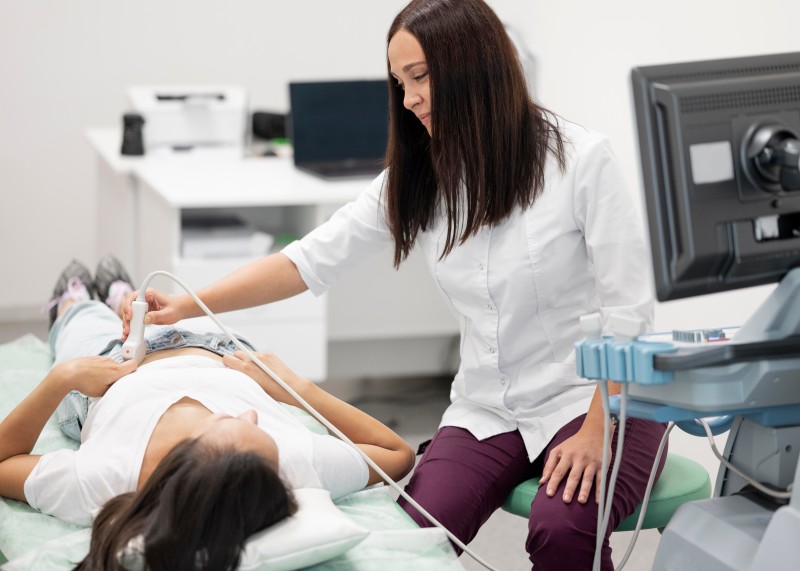

Starting a family can be an exciting journey, but difficulty conceiving can bring uncertainty and emotional stress. Fertility does not depend on a single factor. Reproductive hormones, general health, nutrition, sleep, physical activity, substance use, and certain medical conditions can all influence the ability to conceive.
Both partners contribute to fertility, so evaluation should consider male and female reproductive health. If pregnancy is taking longer than expected, consulting a qualified specialist for the Best Infertility Treatment in Gurgaon can help determine possible causes and identify suitable treatment options.
For fast information, directly chat with us on WhatsApp.
What Can Influence Fertility?
Fertility can be affected by several interconnected factors, including hormonal health, reproductive conditions, body weight, nutrition, smoking, alcohol use, sleep, stress, and physical activity. Healthy lifestyle choices can support reproductive function, but they cannot replace medical treatment when an underlying fertility disorder requires specialist care.
Why Lifestyle Matters in Reproductive Health
The reproductive system works closely with the endocrine, metabolic, and immune systems. Therefore, changes in overall health can sometimes influence ovulation, menstrual regularity, sperm production, and hormonal function.
For example, significant weight changes may affect reproductive hormones, while tobacco exposure can harm egg and sperm health. Likewise, nutritional deficiencies and prolonged sleep disruption may affect general well-being during the conception journey.
This does not mean lifestyle factors cause every case of infertility. Instead, they represent potentially modifiable factors that specialists may consider alongside medical evaluation.
Lifestyle Habits That Can Support Fertility
1. Maintain a Healthy Body Weight
Body weight can influence reproductive hormones in both women and men.
Excess body fat may contribute to hormonal disturbances, irregular ovulation, insulin resistance, and reduced sperm quality. On the other hand, being significantly underweight can also interfere with normal reproductive function.
A sustainable approach to nutrition and physical activity can help support metabolic and reproductive health. Your doctor can recommend realistic goals based on your individual health rather than relying on rapid weight-loss methods.
2. Build a Nutrient-Rich Diet
Good nutrition provides the building blocks needed for general health and reproductive function.
A balanced fertility-supportive diet may include:
- Fresh fruits and vegetables
- Whole grains
- Pulses and legumes
- Nuts and seeds
- Lean protein sources
- Healthy fats
- Adequate fluids
Specific supplements may also be recommended when testing identifies a deficiency or when pregnancy planning requires them. However, supplements should not be started in high doses without medical guidance.
3. Stay Physically Active
Moderate exercise can support cardiovascular fitness, metabolic health, and weight management.
Activities such as walking, swimming, cycling, yoga, or strength training may fit well into a healthy routine. However, very intense exercise combined with inadequate calorie intake can interfere with menstrual function in some women.
The goal is consistency rather than excessive physical exertion.
4. Quit Tobacco and Avoid Second-Hand Smoke
Tobacco exposure can negatively affect reproductive health.
In women, smoking may affect ovarian function and reproductive aging. In men, it can impair sperm concentration, movement, and quality.
Therefore, quitting smoking is an important step for couples preparing for pregnancy. Avoiding second-hand smoke exposure can also contribute to a healthier environment.
5. Limit Alcohol Consumption
Alcohol intake can affect health in several ways and may interfere with reproductive goals.
Couples trying to conceive should discuss alcohol consumption with their healthcare provider. Once pregnancy occurs, women should follow medical guidance regarding complete alcohol avoidance.
A fertility specialist can provide personalized recommendations based on treatment plans and individual circumstances.
6. Prioritize Quality Sleep
Sleep is essential for physical and hormonal health.
Irregular schedules and consistently inadequate sleep may contribute to fatigue, metabolic problems, and increased stress. Although sleep alone cannot resolve infertility, maintaining a regular sleep routine can support overall wellness during fertility planning.
Try to maintain consistent sleeping and waking times and create a relaxing bedtime routine.
7. Manage Ongoing Stress
Trying to conceive can itself become a source of anxiety, particularly when treatment is involved. While stress should not be blamed for infertility, prolonged emotional strain can affect sleep, lifestyle habits, and overall quality of life.
Relaxation techniques, regular movement, counseling, breathing exercises, hobbies, and support from loved ones can help couples manage the emotional side of fertility treatment.
Medical Conditions That May Require Fertility Treatment
Lifestyle improvement is valuable, but certain reproductive conditions require medical assessment and treatment.
Polycystic Ovary Syndrome
PCOS can interfere with regular ovulation and may make conception more difficult. Depending on the individual, treatment can involve lifestyle management, ovulation-inducing medicines, monitoring, or assisted reproductive techniques.
Endometriosis
Endometriosis may affect pelvic anatomy and reproductive function. The appropriate management depends on factors such as symptoms, disease severity, age, ovarian reserve, and pregnancy goals.
Tubal Problems
Blocked or damaged fallopian tubes can prevent sperm and egg from meeting naturally. Diagnostic testing can help determine whether the tubes are open and functioning appropriately.
Male Fertility Problems
Infertility is not exclusively a female concern. Sperm count, movement, shape, and other sperm characteristics can influence conception.
A semen analysis is often an important part of evaluating couples who are experiencing difficulty conceiving.
How the Best Infertility Treatment in Gurgaon Is Personalized
There is no single fertility treatment that works equally well for every couple. Specialists consider medical history, age, reproductive health, previous pregnancies, duration of infertility, test results, and treatment preferences before recommending an approach.
Initial Evaluation
A fertility assessment may involve:
- Detailed medical and reproductive history
- Menstrual and ovulation assessment
- Hormonal investigations
- Pelvic ultrasound
- Ovarian reserve assessment when appropriate
- Semen analysis
- Evaluation of the fallopian tubes when indicated
These investigations help identify potential causes and guide further treatment.
Selecting the Right Treatment
Depending on the findings, treatment may involve:
- Lifestyle and nutritional optimization
- Ovulation induction
- Fertility medicines
- Timed intercourse
- Intrauterine insemination (IUI)
- In-vitro fertilization (IVF)
- Other assisted reproductive approaches
The most appropriate option depends on the specific fertility problem rather than simply choosing the most advanced procedure.
Monitoring Treatment Progress
Fertility care often requires regular monitoring. Ultrasound examinations, hormone testing, and other assessments can help doctors understand how the reproductive system is responding to treatment.
This allows the treatment plan to be adjusted when necessary and helps reduce avoidable risks.
Lifestyle Support and Medical Treatment: How They Differ
| Lifestyle Support | Medical Fertility Care |
|---|---|
| Promotes healthier daily habits | Investigates and treats specific fertility problems |
| Supports metabolic health | Addresses hormonal and reproductive disorders |
| Encourages healthy weight management | May stimulate or assist ovulation |
| Can support sperm health | Can include IUI or IVF when appropriate |
| Benefits overall well-being | Provides specialist monitoring and treatment |
These approaches do not necessarily compete with one another. In many cases, healthy habits complement medical treatment and help patients maintain better overall health during their fertility journey.
What Couples Can Do Before Starting Treatment
Small, sustainable changes can make fertility planning more organized.
Couples can:
- Schedule a preconception consultation
- Review existing medications with their doctor
- Avoid tobacco and recreational drugs
- Follow a balanced eating pattern
- Maintain appropriate physical activity
- Work toward a healthy weight
- Establish consistent sleep habits
- Discuss vaccinations and medical conditions with their doctor
- Take recommended prenatal supplements when advised
Most importantly, couples should avoid self-treatment based on unverified fertility advice found online.
When Should You Seek Fertility Evaluation?
Timing matters because fertility can change with age and certain conditions can benefit from earlier intervention.
Generally, couples may consider an infertility evaluation after 12 months of regular unprotected intercourse without conception when the woman is under 35. If the woman is 35 or older, evaluation is generally recommended after six months.
Earlier consultation may be appropriate when there are irregular periods, known reproductive conditions, previous pelvic surgery, recurrent pregnancy loss, suspected male-factor infertility, or other concerns.
Why Personalized Fertility Care Matters
Every fertility journey has different circumstances. One couple may need help with ovulation, while another may require treatment for tubal factors or male-factor infertility.
A personalized approach allows the specialist to focus on the underlying issue instead of applying the same treatment to everyone. It also gives couples an opportunity to understand their diagnosis, treatment choices, expected timelines, and potential risks.
Expert Care from Dr. Himani Kundoo
Fertility treatment involves more than selecting a procedure. It requires careful evaluation, clear communication, appropriate investigations, and treatment tailored to the couple’s reproductive goals.
Dr. Himani Kundoo provides personalized gynecological and fertility care with an emphasis on evidence-based evaluation and patient-centered treatment. Her approach considers both reproductive health and the individual circumstances of each patient.
Conclusion
Fertility is influenced by a combination of biological, medical, and lifestyle factors. Healthy nutrition, regular physical activity, adequate sleep, appropriate weight management, and avoiding tobacco can support reproductive wellness. However, these measures should complement—not replace—professional evaluation when conception remains difficult.
The Best Infertility Treatment in Gurgaon begins with understanding the individual causes and circumstances behind infertility. With appropriate testing, personalized treatment, lifestyle support, and regular medical guidance, couples can make informed decisions about their path toward parenthood.
If you have been trying to conceive without success, consider speaking with Dr. Himani Kundoo to understand your fertility options and receive a treatment plan suited to your needs.