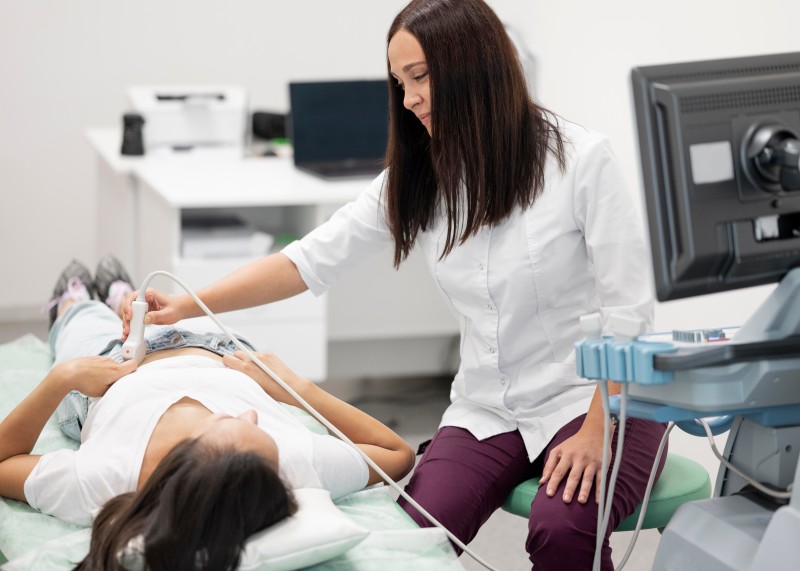
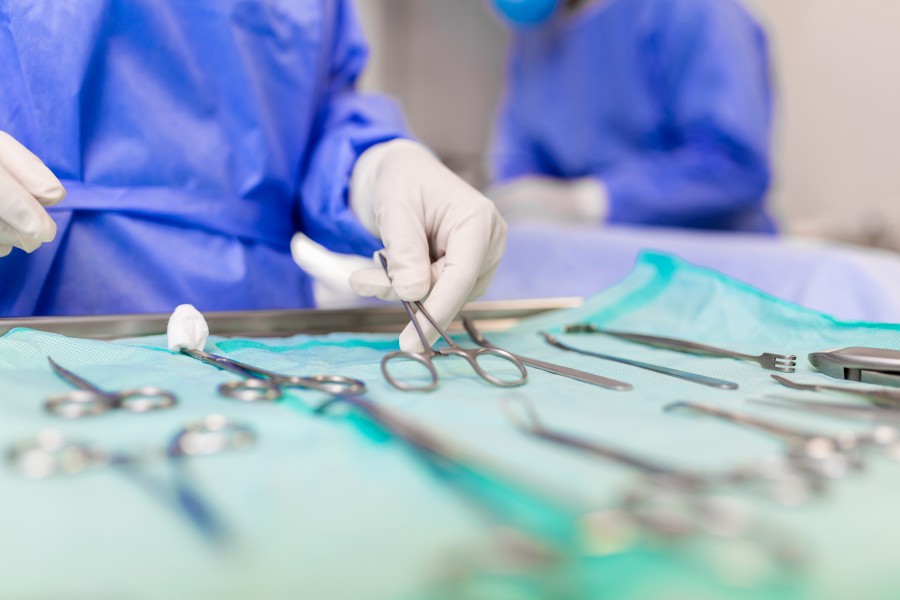
A Cesarean section, commonly called a C-section, is a surgical procedure used to deliver a baby through an incision in the abdomen and uterus. For women preparing for C-Section surgery in Sector 14 Gurugram, understanding the procedure beforehand can make the experience more manageable. A planned C-section may be recommended when vaginal delivery could pose additional risks to the mother or baby. Knowing what to expect, preparing for hospital admission, and discussing your medical history with your obstetrician can help you approach delivery with greater clarity.
For fast information, directly chat with us on WhatsApp.
Preparing for C-Section surgery in Sector 14 Gurugram involves discussing the reason for surgery with your obstetrician, completing recommended tests, following pre-operative instructions, arranging hospital and newborn essentials, and planning support for recovery. Your doctor will also explain anesthesia, the surgical procedure, possible risks, and post-operative care before delivery.
When Is a C-Section Recommended?
A C-section may be planned when there is a medical reason that makes vaginal delivery less suitable or potentially unsafe. However, the decision is individualized and depends on the mother’s health, the baby’s condition, pregnancy history, and circumstances during labour.
Common reasons may include:
- Certain abnormal positions of the baby, such as breech presentation
- Placenta-related complications
- Some previous uterine surgeries or previous C-sections
- Fetal distress or concerns about the baby’s wellbeing
- Labour that does not progress as expected
- Certain maternal health conditions
- Multiple pregnancy in selected circumstances
Not every woman with one of these factors will necessarily need a C-section. Your obstetrician will assess your individual circumstances before recommending the safest delivery approach.
How to Prepare for C-Section Surgery in Sector 14 Gurugram
Discuss Your Delivery Plan
Before a planned C-section, discuss the procedure with your obstetrician. Ask why the surgery is recommended, what type of anesthesia is expected, how long hospitalisation may take, and what recovery will involve.
Tell your doctor about any medicines, supplements, allergies, previous surgeries, or medical conditions. This information can help the healthcare team plan your care safely.
Complete Recommended Tests
Your doctor may recommend blood tests and other pre-operative assessments depending on your health and pregnancy. These evaluations help the medical team identify factors that may affect anesthesia, surgery, or recovery.
Follow the instructions provided by your hospital regarding fasting, medications, and arrival time. Do not stop prescribed medicines unless your healthcare professional tells you to do so.
Prepare Your Hospital Bag
Pack essential items in advance, especially if your C-section has been scheduled. Useful items may include:
- Comfortable loose-fitting clothing
- Maternity or high-waisted underwear
- Personal hygiene products
- Nursing bras and breast pads
- Mobile phone and charger
- Identification and relevant medical records
- Comfortable clothing and essentials for the newborn
Keeping the bag ready can reduce last-minute stress.
What Happens During a C-Section?
On arrival, the healthcare team will complete routine pre-operative checks. An intravenous line may be placed, and your abdomen will be prepared for surgery.
Most planned C-sections are performed using regional anesthesia, such as spinal or epidural anesthesia, which numbs the lower part of the body while allowing the mother to remain awake. The obstetrician then makes an abdominal incision followed by an incision in the uterus to deliver the baby.
After the baby is delivered, the medical team checks the newborn and completes the remaining surgical steps, including closing the uterine and abdominal incisions.
The exact process can vary depending on the mother’s condition, the baby’s condition, and whether the procedure is planned or becomes necessary during labour.
What Should You Expect After Surgery?
After the operation, you will be monitored in a recovery area before moving to the maternity ward. Your healthcare team will monitor pain, bleeding, blood pressure, urination, mobility, and other aspects of recovery.
Pain and tenderness around the incision are common during the early recovery period. Your doctor will recommend appropriate pain relief and explain how to care for the surgical wound.
Early, gentle movement is generally encouraged when medically appropriate because it can support recovery and reduce certain complications associated with prolonged immobility. Your healthcare team will guide you on when and how to move safely.
Breastfeeding and skin-to-skin contact may often begin soon after delivery when the mother and baby are stable. Ask the maternity team for support with comfortable feeding positions that avoid pressure on the incision.
Recovery After a Cesarean Delivery
Recovery from a C-section takes time because it is major abdominal surgery. Follow your doctor’s instructions regarding wound care, activity, medications, nutrition, and follow-up appointments.
During the early weeks, avoid lifting heavy objects or returning to strenuous activities until your healthcare professional advises that it is appropriate. Arrange help at home for household tasks and newborn care, particularly during the initial recovery period.
Contact your healthcare provider promptly if you develop symptoms such as heavy bleeding, worsening or severe pain, fever, increasing redness or discharge from the incision, breathing difficulties, severe headache, leg swelling or pain, or any other concerning change.
Choosing Maternity Care in Sector 14 Gurugram
If you are planning delivery locally, consider factors such as the obstetrician’s experience, availability of maternity and surgical facilities, newborn care support, emergency services, and the hospital’s approach to antenatal and post-operative care.
For women considering C-Section surgery in Sector 14 Gurugram, an early consultation with an obstetrician can provide an opportunity to discuss the pregnancy, review previous medical history, understand delivery options, and create an appropriate birth plan.
Frequently Asked Questions
1. How early should I prepare for a planned C-section?
Preparation should begin during antenatal consultations rather than only a few days before surgery. Your obstetrician will determine when the C-section is appropriate and provide instructions about investigations, medications, fasting, hospital admission, and other preparations. Packing your hospital bag and arranging support at home ahead of time can also make recovery easier.
2. Is a C-section performed under general anesthesia?
Most planned C-sections are performed under regional anesthesia, such as spinal or epidural anesthesia, which numbs the lower body while the mother remains awake. General anesthesia may be used in certain circumstances based on the clinical situation. The anesthetist will discuss the appropriate option with you before surgery.
3. How long does recovery after a Cesarean section take?
Recovery varies between individuals, but a C-section generally requires several weeks of gradual recovery. Pain and tiredness can be more noticeable during the early period. Your doctor will guide you about wound care, physical activity, driving, exercise, lifting, and follow-up based on your recovery and overall health.
4. What should I take to the hospital for a C-section?
Pack comfortable clothing, maternity essentials, personal hygiene items, identification, medical records, prescribed medicines, and newborn clothing and supplies. A phone charger and nursing-friendly clothing can also be useful. Your hospital may have its own list, so check its admission instructions before your scheduled surgery.
5. Where can I discuss C-section delivery planning in Sector 14 Gurugram?
An obstetrician or gynecologist in Sector 14 Gurugram can assess your pregnancy and discuss whether a vaginal or Cesarean delivery may be appropriate. The decision should be based on your medical history, pregnancy progress, baby’s condition, and other relevant clinical factors rather than location alone.
Conclusion
Preparing for C-Section surgery in Sector 14 Gurugram is easier when you understand why the procedure is recommended, what happens before and during surgery, and how recovery will be managed afterward. Discuss your pregnancy history, medical conditions, medications, investigations, anesthesia, and delivery plan openly with your obstetrician. Preparing your hospital bag and arranging practical support at home can also make the early recovery period more comfortable. Remember that every pregnancy is different, so the timing and method of delivery should be based on individual clinical circumstances. If you are considering a planned Cesarean delivery, schedule an antenatal consultation with Dr. Himani Kundoo to discuss your options and prepare an appropriate care plan.