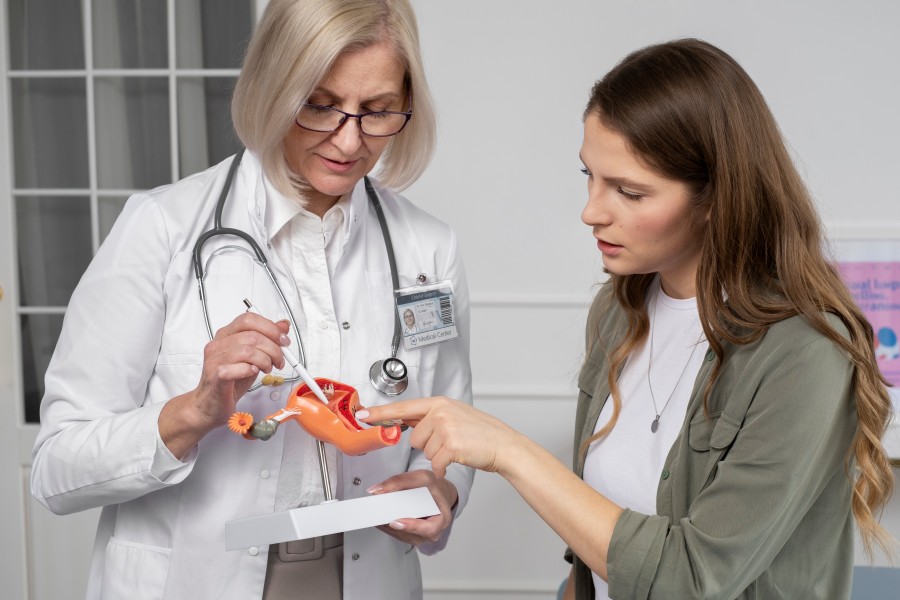
Polycystic ovary syndrome (PCOS), commonly referred to as PCOD, can affect menstrual cycles, ovulation, hormones, skin, weight, and fertility. However, symptoms can vary significantly from one woman to another. If you are looking for PCOD Treatment in Sector 14 Gurugram, the first step is usually a proper evaluation rather than starting treatment based on symptoms alone. Dr. Himani Kundoo considers your medical history, symptoms, physical findings, and appropriate investigations before developing a management plan. The goal is to address your individual concerns while also supporting long-term reproductive and metabolic health.
For fast information, directly chat with us on WhatsApp.
Doctors diagnose PCOD by reviewing menstrual history, symptoms, physical findings, and relevant tests. Blood tests and pelvic ultrasound may help evaluate hormone levels and ovarian features while ruling out other conditions. Management can include lifestyle changes, medicines, and fertility-focused care depending on symptoms, health needs, and pregnancy plans.
What Is PCOD and Why Does It Need Individualized Care?
PCOD is a hormonal and reproductive health condition that can involve irregular ovulation, menstrual changes, excess androgen activity, and polycystic ovarian morphology. Not every woman experiences the same combination of symptoms.
Some women mainly notice irregular or missed periods. Others may experience acne, unwanted facial or body hair, difficulty with weight management, or challenges with conception.
Importantly, having ovarian cyst-like features on an ultrasound does not by itself establish PCOS. A doctor needs to consider the overall clinical picture and exclude other possible causes of similar symptoms.
How Do Doctors Diagnose PCOD?
There is no single test that confirms PCOD in every patient. Diagnosis generally involves combining different pieces of information.
1. Medical and Menstrual History
Your doctor may ask about:
- Age when periods started
- Menstrual cycle length and regularity
- Missed or infrequent periods
- Changes in weight
- Acne or increased facial/body hair
- Previous pregnancy or fertility concerns
- Current medicines and medical conditions
- Family history of PCOS or related metabolic conditions
Keeping a record of your menstrual cycles before your appointment can make this discussion more useful.
2. Physical Examination
Depending on your symptoms, the doctor may assess weight, blood pressure, body mass index, signs of increased androgen activity, and other relevant findings.
The examination is not intended to identify PCOD through one physical feature. Instead, it forms part of a broader assessment.
3. Blood Tests
Blood investigations may be recommended based on your symptoms and medical history. These can help assess hormone-related concerns and rule out other conditions that may cause irregular periods or similar symptoms.
Depending on the individual case, doctors may also consider screening for glucose or metabolic abnormalities, as PCOS can be associated with an increased risk of insulin resistance and other metabolic concerns.
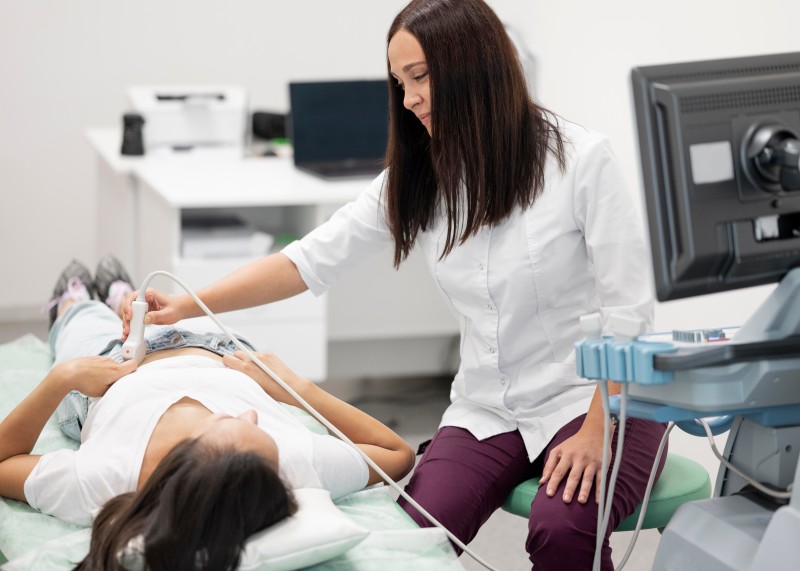
4. Pelvic Ultrasound
An ultrasound may be used to examine the ovaries and uterus. It can provide information about ovarian morphology and the endometrium.
However, ultrasound findings need to be interpreted alongside symptoms, menstrual history, and laboratory findings. An ultrasound alone should not be used as the sole basis for diagnosing PCOS.
How Is PCOD Managed?
Once the evaluation is complete, PCOD Treatment in Sector 14 Gurugram can be tailored according to the woman’s symptoms, health profile, reproductive goals, and whether she is currently trying to conceive.
Lifestyle Changes
Lifestyle management is an important part of PCOS care, particularly when weight, insulin resistance, or metabolic health is a concern.
A doctor may recommend:
- Regular physical activity
- A balanced, sustainable eating pattern
- Adequate sleep
- Stress-management strategies
- Weight management where appropriate
The objective is not to follow an extreme diet or exercise routine. Sustainable habits are generally easier to maintain over time.
Medicines for Menstrual and Hormonal Symptoms
Depending on individual needs, a gynecologist may prescribe medicines to help regulate periods, manage androgen-related symptoms, or address other hormonal concerns.
The appropriate medicine depends on factors such as age, symptoms, medical history, pregnancy plans, and risk factors. Therefore, taking hormonal or other prescription medicines without medical guidance is not advisable.
Managing Acne and Excess Hair Growth
PCOS-related androgen changes can contribute to acne and unwanted facial or body hair. Treatment may involve hormonal approaches, dermatological care, cosmetic methods, or a combination depending on the severity and underlying cause.
Because these symptoms can have several causes, appropriate assessment helps ensure that treatment addresses the actual problem.
PCOD Management When You Are Planning Pregnancy
PCOS does not automatically mean infertility. However, irregular ovulation can make conception more difficult for some women.
If pregnancy is a goal, the treatment approach changes. Your doctor may assess ovulation, other fertility factors, and overall reproductive health before recommending appropriate fertility management.
Women trying to conceive should discuss their plans with a gynecologist rather than using medicines intended for cycle regulation without professional advice.
Why Follow-Up Matters in PCOD Care
PCOS management is often an ongoing process rather than a one-time treatment. Symptoms can change over time, and your healthcare needs may also change.
Follow-up appointments can help your doctor review menstrual patterns, treatment response, medication needs, fertility goals, and relevant metabolic health factors.
Regular monitoring can also help identify concerns that deserve further evaluation, particularly when periods remain very irregular or symptoms change significantly.
When Should You Consult a Gynecologist?
Consider speaking with a gynecologist if you have persistent menstrual irregularity, unexplained changes in periods, troublesome acne or excess hair growth, difficulty conceiving, or other symptoms associated with hormonal imbalance.
You should also seek medical advice if your symptoms are new, worsening, or affecting your daily life.
For women seeking PCOD Treatment in Sector 14 Gurugram, consulting Dr. Himani Kundoo can help establish whether PCOS is actually responsible for the symptoms and determine what evaluation or management is appropriate.
Frequently Asked Questions
1. How is PCOD diagnosed in women?
PCOD is diagnosed through a combination of medical history, menstrual symptoms, physical assessment, and appropriate investigations. Blood tests and ultrasound may be used when clinically indicated. Doctors also consider other possible causes of irregular periods or hormonal symptoms before confirming a PCOS diagnosis.
2. Can PCOD be managed without medication?
Yes, some women can benefit significantly from lifestyle-focused management, depending on their symptoms and health needs. Regular physical activity, sustainable nutrition, adequate sleep, and appropriate weight management may support metabolic and reproductive health. However, medication may still be recommended when specific symptoms or medical concerns require additional treatment.
3. Can women with PCOD become pregnant?
Yes, many women with PCOS can become pregnant. The condition can sometimes interfere with regular ovulation, which may make conception more difficult. If pregnancy is planned, a gynecologist can evaluate ovulation and other fertility factors and discuss suitable fertility management based on the individual’s circumstances.
4. When should I see a gynecologist for irregular periods?
You should consult a gynecologist when irregular or missed periods persist, particularly when accompanied by acne, increased facial or body hair, weight changes, or difficulty conceiving. A consultation can help identify whether PCOS or another hormonal or reproductive condition is contributing to the menstrual changes.
5. Where can I seek PCOD care in Sector 14 Gurugram?
Women looking for PCOD care in Sector 14 Gurugram can consult a gynecologist for an individualized assessment. The consultation may include a review of menstrual history, symptoms, relevant investigations, and reproductive goals. Treatment can then be planned according to the patient’s specific needs rather than relying on a one-size-fits-all approach.
Conclusion
PCOD can present differently from one woman to another, so diagnosis should look beyond a single symptom or ultrasound finding. A gynecologist may review menstrual history, hormonal symptoms, physical findings, and relevant investigations before deciding whether PCOS is responsible and what care is appropriate. Lifestyle measures, medicines, symptom management, and fertility-focused treatment may all have a role depending on individual needs. If you are considering PCOD Treatment in Sector 14 Gurugram, a professional evaluation can help you understand your symptoms and develop a suitable management plan. Keeping track of your periods and discussing your health and pregnancy goals during the consultation can also make the assessment more useful.