A caesarean section, commonly called a C-section, is a surgical method of delivering a baby through an incision made in the mother’s abdomen and uterus. While many women plan for a vaginal birth, a C-section may sometimes be recommended when it is considered safer for the mother, baby, or both. Understanding the procedure can make the experience less stressful and help expectant mothers prepare with confidence.
For fast information, directly chat with us on WhatsApp.
C-Section surgery in Sector 14 Gurugram is a surgical delivery method used when vaginal birth may not be the safest option. Preparation typically includes medical assessment, blood tests, fasting instructions, and anaesthesia planning. During surgery, the baby is delivered through an abdominal and uterine incision. Recovery generally involves hospital monitoring, pain management, wound care, and gradual return to normal activities.
When Is a C-Section Recommended?
A C-section is not automatically necessary because of one particular pregnancy factor. Your obstetrician considers your health, the baby’s condition, pregnancy history, and how labour is progressing before recommending delivery by surgery.
Some situations where a caesarean may be considered include:
- The baby is in a breech or transverse position near delivery.
- Labour does not progress despite appropriate management.
- There are concerns about the baby’s heart rate or wellbeing.
- The placenta is covering or obstructing the cervix.
- Certain complications develop during pregnancy.
- A previous uterine surgery or C-section affects delivery planning.
- Multiple pregnancy or other pregnancy-related circumstances require a surgical delivery.
In some cases, a C-section is planned before labour begins. In others, the need becomes apparent during labour. The decision should always be based on an individual medical assessment rather than preference alone.
How to Prepare for C-Section Surgery in Sector 14 Gurugram
If your doctor recommends a planned C-section, preparation usually begins before the admission date. Your healthcare team will explain what you need to do and may review your medical history, medications, allergies, previous surgeries, and pregnancy records.
Before the Surgery
You may be advised to:
- Follow specific fasting instructions before surgery.
- Complete recommended blood tests or other assessments.
- Discuss medications with your doctor.
- Arrange transportation and support for your hospital stay.
- Follow instructions regarding bathing and surgical-site preparation.
- Pack essential items for yourself and the newborn.
Do not stop prescribed medicines on your own. Ask your obstetrician which medicines you should take or avoid before surgery.
Emotional preparation matters too. It is normal to feel anxious about an operation, particularly if you have never undergone major surgery. Asking questions beforehand can help you understand what to expect.
What Happens During a Caesarean Delivery?
On arrival at the hospital, the medical team will check your vital signs and prepare you for surgery. An intravenous line is commonly placed, and the baby’s condition is monitored.
Most C-sections are performed using regional anaesthesia, such as spinal or epidural anaesthesia, which allows the mother to remain awake while preventing pain in the lower part of the body. The specific anaesthetic approach depends on the clinical situation.
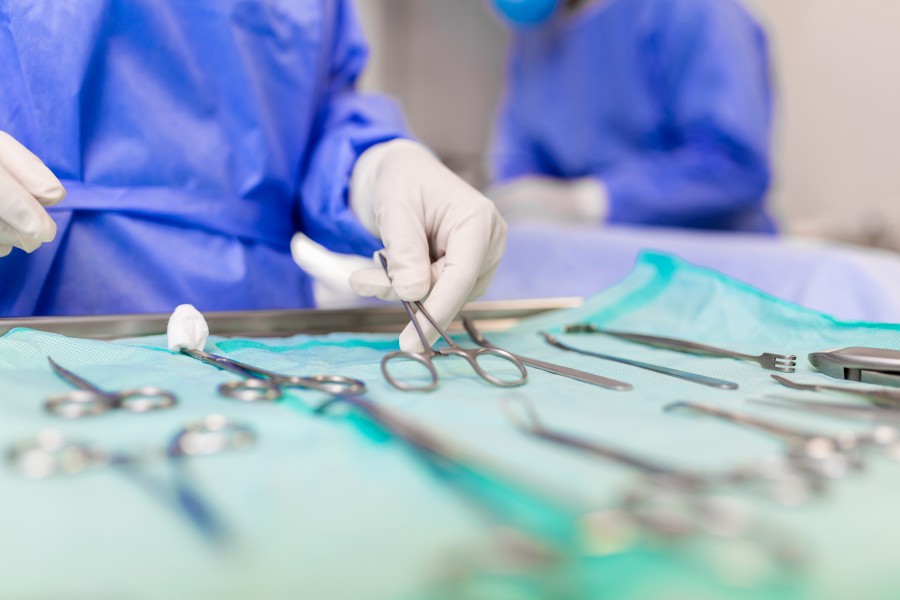
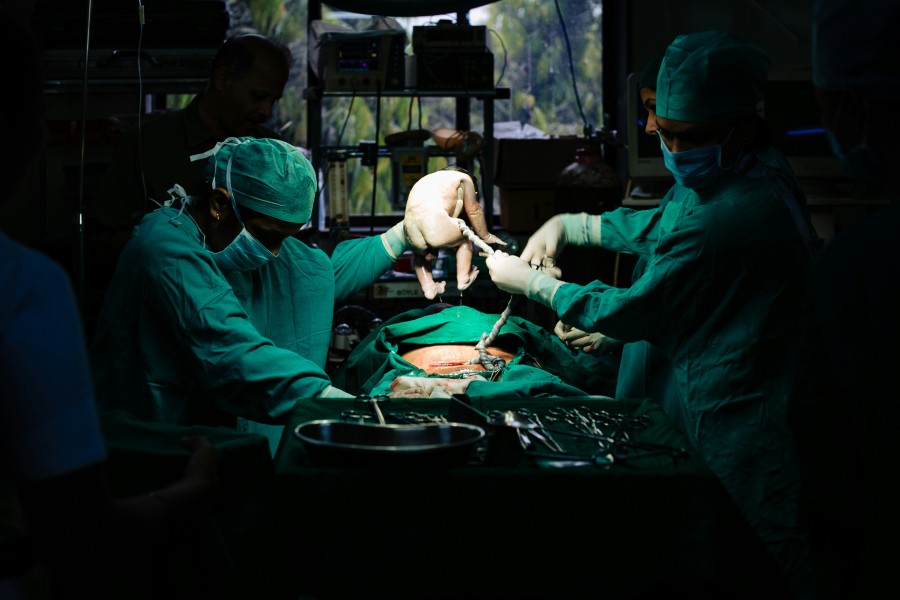
Once the anaesthesia takes effect, the obstetrician makes an incision in the abdomen and then the uterus. The baby is carefully delivered, followed by the placenta. The medical team then closes the uterine and abdominal incisions.
You may feel pressure or pulling during the procedure, but you should not feel sharp surgical pain. Your healthcare team will monitor you throughout the operation and address any discomfort or concerns.
What to Expect After C-Section Surgery
Recovery begins immediately after the procedure. You will usually remain under observation while the medical team monitors your vital signs, bleeding, pain, and overall condition.
Pain and tenderness around the incision are common during the early recovery period. Your doctor may prescribe appropriate pain relief. Depending on your condition, you may also be encouraged to move gradually after surgery to support recovery and reduce certain complications associated with prolonged immobility.
Breastfeeding can often begin soon after delivery if the mother and baby are medically stable. A nurse or lactation professional can help you find a comfortable feeding position that avoids putting unnecessary pressure on the incision.
C-Section Recovery at Home
Healing continues after you leave the hospital. Recovery varies from one woman to another, so follow your obstetrician’s individual instructions.
Important aspects of recovery include:
- Keep the incision clean and follow wound-care instructions.
- Take prescribed medicines as directed.
- Walk gently and increase activity gradually.
- Avoid strenuous exercise and heavy lifting until your doctor advises that it is safe.
- Get adequate rest whenever possible.
- Maintain a nutritious diet and stay adequately hydrated.
- Attend your recommended postpartum follow-up.
You may experience tiredness, abdominal discomfort, and difficulty performing some routine activities during the initial recovery period. Accepting help with household tasks and newborn care can make this stage easier.
When Should You Contact Your Doctor?
Some discomfort after surgery is expected, but certain symptoms require prompt medical attention. Contact your healthcare provider if you develop:
- Fever or chills
- Increasing redness, swelling, or discharge around the incision
- Severe or worsening abdominal pain
- Heavy vaginal bleeding
- Foul-smelling vaginal discharge
- Difficulty breathing or chest pain
- Severe headache or other concerning symptoms
- Leg swelling or pain, particularly if sudden
If symptoms are severe or you believe you have an emergency, seek immediate medical care.
Choosing Maternity Care in Sector 14 Gurugram
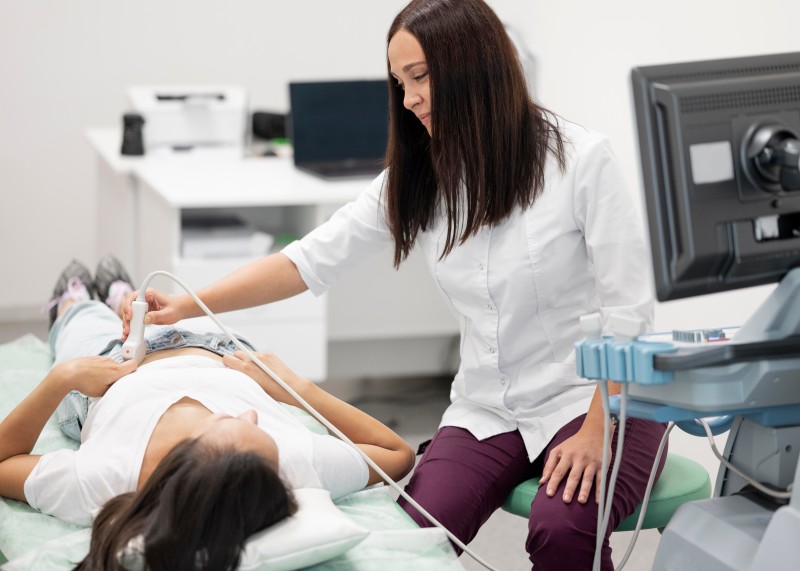
Choosing an obstetrician is an important part of pregnancy planning, particularly when you have been advised that a C-section may be necessary. Look for a doctor who takes time to explain your options, reviews your pregnancy history, answers questions clearly, and discusses both the benefits and potential risks of the recommended delivery method.
For women looking for C-Section surgery in Sector 14 Gurugram, convenient access to experienced maternity care can also make antenatal appointments, delivery planning, and postpartum follow-up easier.
Remember that the safest delivery method depends on your individual circumstances. A C-section should be recommended when the expected benefits outweigh the potential risks for the mother or baby.
C-Section surgery in Sector 14 Gurugram is a surgical delivery method used when vaginal birth may not be the safest option. Preparation typically includes medical assessment, blood tests, fasting instructions, and anaesthesia planning. During surgery, the baby is delivered through an abdominal and uterine incision. Recovery generally involves hospital monitoring, pain management, wound care, and gradual return to normal activities.
4. Frequently Asked Questions
What is a C-section and why might I need one?
A C-section is a surgical procedure used to deliver a baby through incisions in the abdomen and uterus. It may be recommended when vaginal delivery could pose greater risks, such as certain fetal positions, problems with the placenta, concerns about fetal wellbeing, or complications during labour. The decision depends on the mother’s and baby’s individual circumstances.
How should I prepare for a planned C-section?
Preparation usually involves following your hospital’s fasting instructions, completing recommended tests, reviewing medications with your doctor, and arranging transportation and support. Your healthcare team will also explain the anaesthesia, admission process, and expected recovery. Follow your obstetrician’s specific instructions because preparation can vary according to your health and pregnancy.
How long does it take to recover after a caesarean delivery?
Initial recovery begins in the hospital, but complete healing takes longer. Many women gradually resume normal daily activities over several weeks, depending on their individual recovery. Avoid heavy lifting and strenuous exercise until your doctor advises otherwise. Your postpartum check-up is important for assessing incision healing and overall recovery.
Is a C-section more painful than normal delivery?
The experience differs between women. Anaesthesia prevents surgical pain during a C-section, although pressure or pulling may be felt. Afterward, abdominal soreness and discomfort are expected while the incision heals. Appropriate pain management, gradual movement, rest, and following postoperative instructions can help support a smoother recovery.
Where can I discuss C-section delivery options in Sector 14 Gurugram?
You can discuss delivery options with an experienced obstetrician or gynaecologist serving Sector 14 Gurugram. During an antenatal consultation, the doctor can review your pregnancy, medical history, baby’s position, and any existing concerns before discussing whether vaginal delivery or a planned C-section may be appropriate.
Conclusion
A C-section can be an important and sometimes necessary part of childbirth when medical circumstances make surgical delivery the safer option. Knowing what happens before, during, and after the procedure can help you prepare physically and emotionally. From following preoperative instructions to caring for the incision and gradually returning to daily activities, each stage of recovery deserves appropriate attention.
If you are considering or have been advised to undergo C-Section surgery in Sector 14 Gurugram, discuss your individual pregnancy and delivery plan with a qualified obstetrician. Dr. Himani Kundoo assess your health and your baby’s condition and explain the safest options for your situation. Good antenatal care and timely medical guidance can help you approach delivery with greater clarity and confidence.