Expecting mothers often have questions about when a Caesarean delivery becomes necessary, how the procedure works, and what recovery involves. This article provides practical, medically responsible information for women considering or preparing for C-Section surgery in Gurugram, while emphasizing that the final delivery plan should always be individualized by a qualified obstetrician.
For fast information, directly chat with us on WhatsApp.
C-section surgery, or Caesarean delivery, is an operation in which a baby is delivered through an incision made in the mother’s abdomen and uterus. Dr. Himani Kundoo may recommend it when vaginal delivery could pose significant risks to the mother or baby. A C-section can be planned in advance or performed urgently during labour.
What Is C-Section Surgery?
A Caesarean section is a surgical method of childbirth. During the procedure, an obstetrician makes an incision through the abdominal wall and uterus to deliver the baby. The surgical team then closes the incisions after delivery.
Some C-sections are planned, while others become necessary during labour because circumstances change. Therefore, having a C-section does not necessarily mean that something has gone wrong. In many situations, it provides a safer route for delivery.
If you are looking for C-Section surgery in Gurugram, your obstetrician can assess your pregnancy, medical history, baby’s position and other factors before recommending the most appropriate delivery approach.
When Might a C-Section Be Recommended?
A C-section may be recommended for several medical reasons. The decision depends on the individual pregnancy rather than one single factor.
Common situations include:
- Baby’s position: A baby may remain in a breech or transverse position, making vaginal delivery difficult or unsafe.
- Placenta-related complications: Placenta previa or certain other placental problems can increase the risk of bleeding during vaginal delivery.
- Previous C-section: Depending on the type of previous uterine incision and other factors, a repeat C-section may be advised, although vaginal birth after Caesarean may be appropriate for some women.
- Labour complications: Labour may fail to progress despite appropriate management.
- Fetal concerns: Changes in the baby’s heart rate or other signs of distress may require prompt delivery.
- Multiple pregnancy: Twins or higher-order multiples may sometimes require Caesarean delivery depending on their positions and other pregnancy factors.
- Certain maternal health conditions: Some medical or pregnancy-related conditions can make Caesarean delivery the safer option.
Importantly, the recommendation should come from an individualized assessment by your obstetric care team.
Scheduled vs Urgent C-Section: Understanding the Key Differences
Planned C-Section
A planned Caesarean is scheduled before labour begins when there is a known medical reason for surgery. Your doctor will explain why it is recommended, what preparation is required and when you should arrive at the hospital.
Planning ahead can also give you time to discuss medications, fasting instructions, anaesthesia and post-operative care.
Emergency C-Section
An emergency C-section may become necessary when a complication develops during pregnancy or labour. For example, concerning fetal heart-rate changes or labour that is not progressing safely may lead the medical team to recommend surgery.
Although the term “emergency” can sound alarming, the medical team follows established protocols to protect both mother and baby.
How Should You Prepare for a C-Section?
Good preparation can make the experience more manageable. Your obstetrician and hospital team will provide specific instructions, but preparation may include:
- Completing recommended antenatal assessments and investigations.
- Discussing existing medical conditions and medications with your doctor.
- Adhering to your doctor’s guidelines about food and fluids before the procedure.
- Arranging transport and hospital admission as advised.
- Keeping essential documents and maternity records ready.
- Understanding the expected hospital stay and recovery process.
- Discussing any concerns about anaesthesia, breastfeeding or post-operative pain management.
You should also ask your doctor what warning signs require immediate medical attention during late pregnancy.
What Happens During the Procedure?
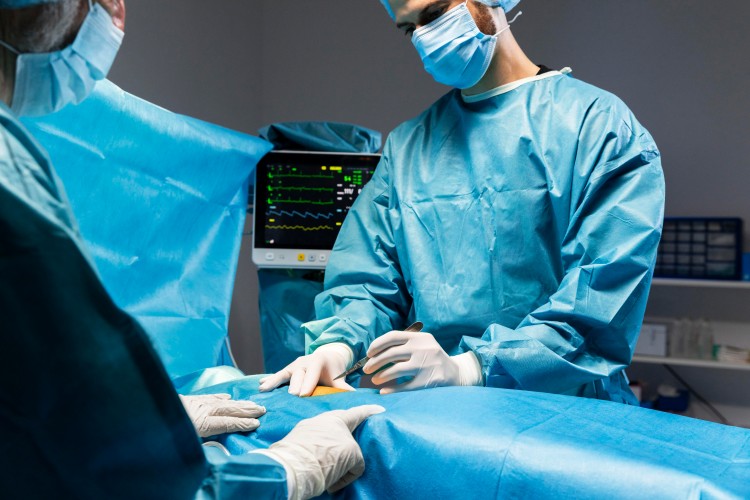
Most Caesarean deliveries use regional anesthesia, such as spinal or epidural anesthesia, so the mother remains awake while the lower part of the body becomes numb. In some circumstances, general anesthesia may be necessary.
After anaesthesia takes effect, the surgical team prepares the abdomen and makes an incision. The obstetrician then opens the uterus and delivers the baby. Afterward, the placenta is delivered, and the uterus and abdominal layers are closed.
The procedure itself is usually relatively quick, although the exact duration varies depending on the circumstances and whether complications arise.
What Is Recovery Like After a C-Section?
A C-section is major abdominal surgery, so recovery requires patience. You may experience discomfort around the incision, tiredness and difficulty moving comfortably during the initial days.
Your healthcare team may encourage you to gradually get out of bed and walk as soon as it is medically appropriate. Gentle movement can support recovery and reduce the risk of complications associated with prolonged immobility.
During recovery:
- Keep the incision clean and follow wound-care instructions.
- Take prescribed medicines exactly as directed.
- Avoid lifting heavy objects until your doctor advises otherwise.
- Support your body when coughing or changing position if the incision feels uncomfortable.
- Eat a balanced diet and maintain adequate fluid intake.
- Accept help with household tasks and newborn care when possible.
- Attend your recommended follow-up appointments.
Recovery differs from one woman to another. Avoid comparing your healing timeline with someone else’s.
Which Post-Surgery Symptoms Require You to Call Your Doctor?
Some discomfort is expected after a C-section. However, certain symptoms require prompt medical evaluation.
Contact your healthcare provider if you develop:
- Fever or chills
- Increasing redness, swelling or discharge from the incision
- Heavy vaginal bleeding
- Severe or worsening abdominal pain
- Foul-smelling vaginal discharge
- Shortness of breath or chest pain
- Severe headache or vision changes
- Significant swelling or pain in one leg
If you experience a severe or sudden symptom, seek urgent medical care rather than waiting for a routine appointment.
Choosing the Right Care for C-Section Surgery in Gurugram
Choosing an experienced obstetrician is an important part of maternity planning. During antenatal visits, discuss your medical history, previous pregnancies, expected delivery plan and any concerns you have about Caesarean delivery.
For women seeking C-Section surgery in Gurugram, factors such as qualified obstetric care, appropriate hospital facilities, anaesthesia support, newborn care and access to emergency services can all matter.
Most importantly, do not assume that you will need a C-section simply because you have certain risk factors. Your doctor should evaluate your pregnancy as a whole and explain the benefits and potential risks of the recommended delivery method.
Conclusion
A C-section can be an important and sometimes lifesaving method of childbirth when vaginal delivery may not be the safest option. Understanding why Caesarean delivery may be recommended, how the procedure works and what recovery involves can help expecting mothers feel more prepared. Every pregnancy is different, so the decision should come from a careful discussion between the mother and her obstetrician. If you are considering C-Section surgery in Gurugram, schedule an antenatal consultation to discuss your individual pregnancy, delivery options and preparation plan with a qualified obstetrician. Early, informed conversations can make maternity care more confident and organized.
For More Information, Visit Now: https://share.google/PWYFaA1o8zLWPq4Nq