
PCOD and PCOS are common hormonal conditions that can affect menstrual cycles, ovulation, fertility, skin, hair, and long-term metabolic health. However, the symptoms and treatment needs can vary significantly from one woman to another. Modern PCOD/PCOS Treatment in Gurugram focuses on identifying individual concerns and creating a personalized plan that supports both immediate symptom management and long-term health. While there is no single treatment that suits everyone, a combination of lifestyle changes, medical care, and regular monitoring can help manage many symptoms effectively. The most suitable treatment plan is based on individual factors, including age, specific symptoms, body weight, pregnancy plans, and any existing medical concerns.
For fast information, directly chat with us on WhatsApp.
Modern PCOD/PCOS treatment may include lifestyle changes, menstrual regulation, medicines for specific symptoms, metabolic health management, and fertility support when required. A personalised treatment plan is important because PCOD and PCOS can affect women differently. Early medical evaluation can help address symptoms and reduce the risk of long-term complications.
Understanding PCOD and PCOS
Although people often use PCOD and PCOS interchangeably, the terms are not always used in exactly the same way.
PCOD, or polycystic ovarian disease, generally refers to a condition involving hormonal imbalance and changes in ovarian function. PCOS, or polycystic ovary syndrome, is a hormonal and metabolic disorder that may involve irregular ovulation, increased androgen activity, and polycystic ovarian morphology.
A woman does not need to have ovarian cysts to receive a diagnosis of PCOS. Similarly, symptoms can differ widely. Some women mainly experience irregular periods, while others may struggle with acne, excess facial hair, weight changes, or difficulty conceiving.
Therefore, proper diagnosis should focus on the complete clinical picture rather than relying on a single symptom or ultrasound finding.
How Is PCOD/PCOS Diagnosed?
Diagnosis usually begins with a detailed discussion about menstrual patterns, symptoms, medical history, medications, and reproductive goals.
A gynecologist may recommend:
- Evaluation of menstrual irregularities
- Physical examination when appropriate
- Blood tests to assess relevant hormones and metabolic factors
- Screening for conditions that can cause similar symptoms
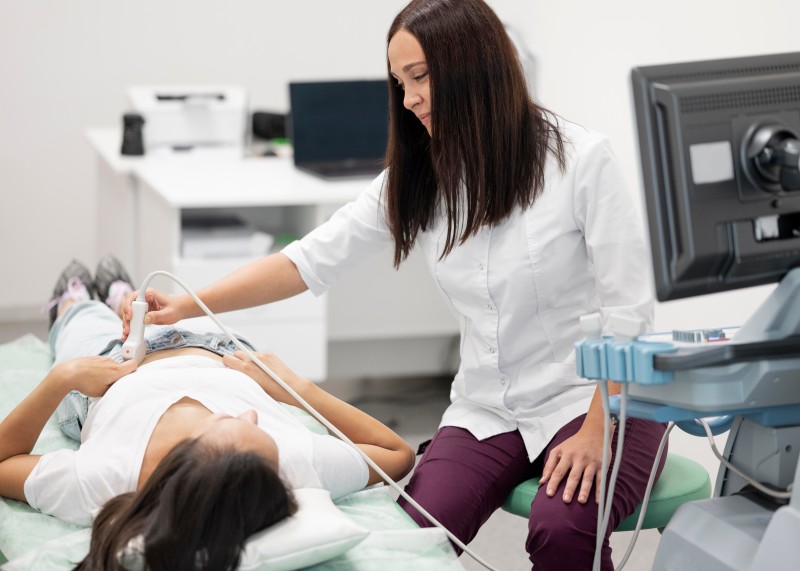
- Pelvic ultrasound when clinically indicated
- Assessment of blood sugar or insulin-related risks in suitable patients
Doctors commonly use established diagnostic criteria for PCOS while also ruling out other causes of irregular periods or hormonal symptoms. Because the condition can present differently at different ages, diagnosis and treatment should remain individualised.
Modern PCOD/PCOS Treatment in Gurugram: A Personalised Approach
There is no universal treatment plan for PCOD or PCOS. Instead, treatment should target the symptoms and health concerns that matter most to the individual.
For example, one woman may need help regulating periods, while another may seek fertility support. Someone else may need focused care for acne, excess hair growth, weight concerns, or metabolic health.
Lifestyle Changes and Healthy Weight Management
Lifestyle management is often an important part of PCOD and PCOS care. Even without major weight changes, improving nutrition, physical activity, sleep, and stress management can support overall metabolic and hormonal health.
A practical plan may include:
- Regular, balanced meals
- Adequate protein and fibre intake
- Reduced intake of highly processed foods
- Consistent physical activity
- Strength training and aerobic exercise
- Sufficient sleep
- Sustainable stress-management habits
For women who are overweight or have insulin resistance, gradual weight reduction may improve menstrual regularity and metabolic health. However, treatment should never focus only on body weight. Women with PCOS can have metabolic concerns at different body sizes, so personalised medical assessment remains important.
Medicines for Irregular Periods
When pregnancy is not currently the goal, doctors may recommend medicines to help regulate menstrual cycles or manage specific hormonal symptoms.
The choice of treatment depends on medical history, contraindications, and individual needs. Regular periods can also be important for protecting the uterine lining in women who experience prolonged gaps between menstrual cycles.
Patients should avoid starting hormonal medicines or supplements without medical guidance, as the most suitable option can differ from person to person.
Treatment for Insulin Resistance and Metabolic Health
Some women with PCOS have insulin resistance, which can increase the risk of prediabetes or type 2 diabetes over time.
Depending on the individual’s health profile, a doctor may recommend lifestyle changes and, in some cases, medication to support metabolic management. Regular monitoring of blood pressure, glucose levels, and other relevant risk factors can also form part of long-term care.
This broader approach is one reason modern PCOD/PCOS management looks beyond menstrual symptoms alone.
Managing Acne and Excess Hair Growth
Higher androgen activity can contribute to acne, oily skin, and unwanted facial or body hair in some women with PCOS.
Treatment may involve hormonal management, dermatological care, or other targeted approaches. Improvement often takes time, so consistency and realistic expectations are important.
A gynecologist may also coordinate care with a dermatologist or another specialist when symptoms require additional expertise.
Fertility Treatment for Women With PCOS
PCOS is a common cause of irregular ovulation, but having PCOS does not automatically mean a woman cannot become pregnant.
For women who wish to become pregnant, treatment may involve:
- Supporting healthy lifestyle habits
- Identifying whether ovulation is occurring regularly
- Managing weight or metabolic concerns when relevant
- Using medicines to help induce ovulation when medically appropriate
- Investigating other possible fertility factors
Fertility evaluation should consider both partners when appropriate. Age, duration of infertility, menstrual history, and previous medical history can all influence the next steps.
Women planning pregnancy should discuss treatment early with a qualified gynecologist, especially if periods are highly irregular.
Why Regular Follow-Up Matters
PCOD and PCOS often require ongoing management rather than a one-time treatment. Symptoms may also change during different life stages.
Regular follow-up can help monitor:
- Menstrual patterns
- Response to treatment
- Blood sugar and metabolic health
- Blood pressure
- Weight-related concerns, when relevant
- Fertility goals
- New or changing symptoms
Follow-up visits also provide an opportunity to adjust treatment instead of continuing a plan that no longer matches the patient’s needs.
When Should You See a Gynecologist?
You should consider medical evaluation if you experience persistent irregular periods, excessive facial hair, significant acne, unexplained weight changes, difficulty conceiving, or other signs of hormonal imbalance.
Early assessment can help identify whether PCOS is responsible or whether another condition needs attention. Timely care also allows doctors to discuss long-term health risks and appropriate preventive strategies.
Women seeking PCOD/PCOS Treatment in Gurugram should look for evidence-based, individualised care rather than relying on unverified remedies or one-size-fits-all treatment plans.
Conclusion
PCOD and PCOS can affect many aspects of a woman’s health, but effective management is possible with the right diagnosis and a personalised treatment strategy. Modern care may include lifestyle support, menstrual management, treatment for acne or excess hair growth, metabolic monitoring, and fertility assistance when needed. The best approach depends on your symptoms, medical history, and future pregnancy plans. If you are experiencing irregular periods or other possible signs of hormonal imbalance, seeking professional guidance can provide clarity and appropriate next steps. For personalised PCOD/PCOS Treatment in Gurugram, consult Dr. Himani Kundoo to discuss a treatment plan designed around your individual health needs.